Thermal Script: A Font That Adds Elegance and Class to Design Projects
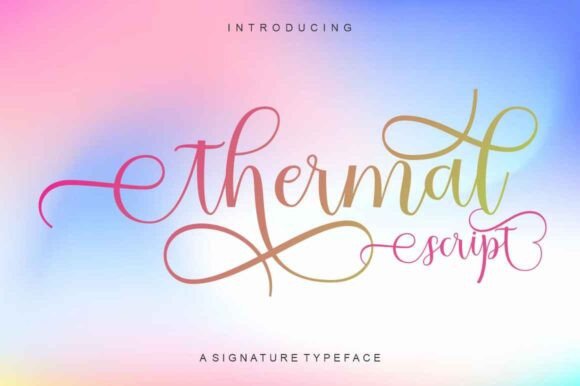
Thermal Script is a font that has gained popularity among designers for its elegant and classy style. It is characterized by soft, graceful curves, subtle details, and balanced proportions that give it a refined appearance. This type of font is often used in design projects that require a feminine or luxurious touch, such as wedding invitations, greeting cards, and promotional materials for brands with a stylish and exclusive image.
The elegance and understated feel of Thermal Script make it a popular choice for those looking to add a special touch to their designs. Whether you are creating a wedding invitation or designing a brand identity, Thermal Script can help convey the right message and create a lasting impression.
Understanding the Characteristics of Thermal Script
Thermal Script is more than just a decorative font; it is a versatile tool that can enhance the visual appeal of various design elements. Its soft curves and subtle details contribute to a sense of sophistication, making it ideal for situations where a delicate and refined look is desired.
One of the key features of Thermal Script is its ability to maintain readability while still exuding elegance. This makes it suitable for both short and long texts, ensuring that the message remains clear and engaging. The balanced proportions of the letters also ensure that the font looks visually appealing across different media and sizes.
Designers who use Thermal Script often appreciate how it can elevate the overall aesthetic of their work without overpowering other design elements. This makes it a great choice for projects that require a harmonious blend of form and function.
Challenges and Goals in Using Thermal Script
While Thermal Script offers many benefits, there are certain challenges that users may encounter when incorporating it into their design projects. One common challenge is ensuring that the font complements the overall design theme and does not clash with other visual elements. This requires careful consideration of color schemes, layout, and typography choices.
Another challenge is selecting the right variant of Thermal Script for a specific project. There are several variations of this font, each with its own unique characteristics. Choosing the most appropriate one depends on the context and purpose of the design. For example, a more ornate version might be better suited for a wedding invitation, while a simpler version could be more effective for a business card.
Despite these challenges, the goals of using Thermal Script remain consistent: to create a design that is both aesthetically pleasing and functional. By understanding the nuances of the font and how it interacts with other design elements, users can achieve the desired outcome and create a cohesive visual experience.
Practical Applications of Thermal Script
Thermal Script is widely used in various design applications, from print to digital media. In the realm of print design, it is commonly found in wedding invitations, greeting cards, and luxury packaging. These uses highlight the font's ability to evoke a sense of elegance and exclusivity.
In digital design, Thermal Script can be used for website headers, social media posts, and branding materials. Its versatility allows it to be adapted to different platforms while maintaining its distinctive character. For instance, using Thermal Script in a website header can instantly add a touch of sophistication to the overall design.
For businesses looking to establish a stylish and exclusive image, Thermal Script can be an excellent choice for branding materials. From logos to promotional content, the font helps reinforce the brand's identity and attract the target audience.
How Different Users May Approach Thermal Script
Depending on the user's needs and preferences, the approach to using Thermal Script can vary significantly. For example, a designer working on a wedding invitation might choose a more ornate version of the font to create a romantic and luxurious feel. On the other hand, a designer working on a business card might opt for a simpler version to maintain professionalism and clarity.
Similarly, the way in which Thermal Script is used can depend on the medium. Print designers may focus on ensuring that the font looks sharp and legible at different sizes, while digital designers may prioritize compatibility with web technologies and screen readability.
Ultimately, the goal is to use Thermal Script in a way that aligns with the overall design objectives and enhances the visual appeal of the project. By considering factors such as context, audience, and purpose, users can effectively incorporate Thermal Script into their designs and achieve the desired outcome.
Useful Considerations When Working with Thermal Script
When working with Thermal Script, there are several useful considerations that can help ensure successful implementation. First, it is important to test the font in different contexts to see how it performs. This includes checking how it looks on different screens, in different sizes, and alongside other design elements.
Another consideration is ensuring that the font is accessible to all users. While Thermal Script is visually appealing, it should still be readable and legible for everyone. This means avoiding overly intricate designs that could make the text difficult to read for people with visual impairments.
Finally, it is essential to respect the licensing terms of Thermal Script. Like any font, it is subject to usage rights and restrictions. Ensuring that the font is used in compliance with these terms can help avoid potential legal issues and protect the integrity of the design project.
By keeping these considerations in mind, users can effectively leverage Thermal Script to create designs that are both beautiful and functional. Whether it's for a wedding invitation, a greeting card, or a brand identity, Thermal Script offers a timeless elegance that can enhance any design project.