Glitter Script: Elevating Design with Sophisticated Handwritten Style
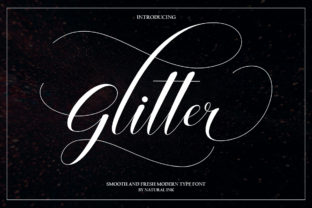
Glitter Script is a handwritten font that brings elegance and uniqueness to any design project. With its bold swashes and refined style, it stands out in both digital and print formats. Whether you're crafting marketing materials, designing logos, or creating editorial content, Glitter Script offers a versatile and sophisticated solution for visual storytelling.
Understanding Glitter Script and Its Unique Characteristics
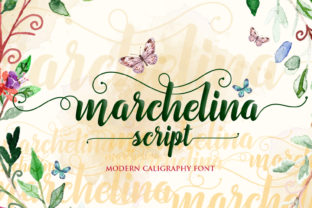
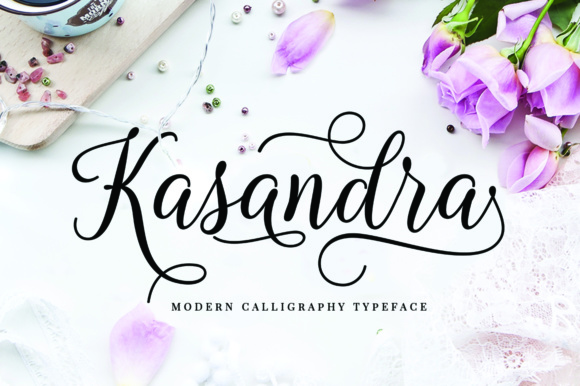
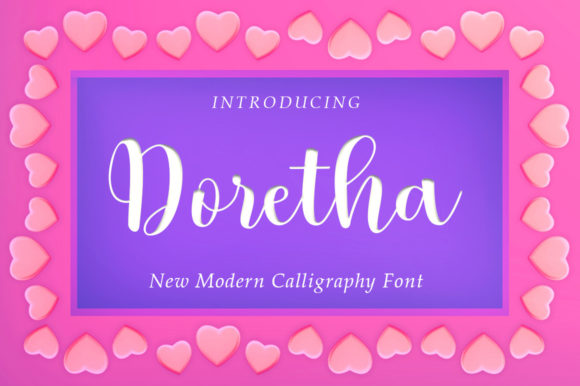
Glitter Script is more than just a font—it's a design tool that adds personality and flair to your work. Unlike standard sans-serif or serif fonts, this handwritten typeface captures the essence of cursive writing while maintaining a level of professionalism and clarity. The bold swashes give it a dynamic feel, making it ideal for headings, titles, and callouts that need to grab attention without overwhelming the viewer.
The font’s unique characteristics make it suitable for a wide range of applications. From wedding invitations to branding materials, Glitter Script can be used to create a distinct visual identity. It works particularly well when paired with clean, modern typography, allowing the handwritten elements to stand out while maintaining readability.
Integrating Glitter Script into Your Design Workflow
Incorporating Glitter Script into your design workflow requires thoughtful planning and consideration of how it interacts with other elements. Start by identifying the purpose of your project and the message you want to convey. This will help determine whether Glitter Script is the right choice for your needs.
Before beginning a design project, consider the context in which the font will be used. Will it be part of a larger brand identity? Or is it intended for a one-time use such as a social media post or email campaign? Understanding these factors can help you decide on the appropriate size, spacing, and color combinations to ensure optimal legibility and visual impact.
During the design process, experiment with different layouts and compositions to see how Glitter Script interacts with other design elements. Test it against various backgrounds and colors to find the best contrast and balance. Pay attention to how the bold swashes affect the overall composition—too much can be distracting, while too little may not make an impression.
After finalizing the design, review the font’s performance across different platforms and devices. Ensure that it remains consistent and readable on both desktop and mobile screens. If you’re using it in print, check how it appears at different sizes and resolutions to avoid any unexpected results.
Practical Use Cases for Glitter Script
Glitter Script is incredibly versatile and can be applied in numerous scenarios. Here are some practical examples of where this font shines:
- Branding and Logos: Use Glitter Script to add a personal touch to your logo or brand name. It can help differentiate your brand from competitors and create a memorable impression.
- Marketing Materials: Incorporate Glitter Script into brochures, flyers, and posters to draw attention to key messages or calls to action.
- Web Design: Apply Glitter Script to website headers, navigation menus, or buttons to enhance user experience and visual appeal.
- Editorial Content: Use it in magazine layouts, blog posts, or newsletters to highlight headlines, subheadings, or important quotes.
- Event Invitations: Add a sense of elegance and sophistication to event invitations with Glitter Script. It works especially well for weddings, galas, and corporate events.
Each of these use cases demonstrates how Glitter Script can be integrated into different aspects of design. By understanding the specific requirements of each project, you can tailor the font’s application to achieve the desired outcome.
Working with Other Tools and Resources
To maximize the potential of Glitter Script, it’s important to understand how it interacts with other design tools and resources. Many graphic design software programs support custom fonts, including Adobe Photoshop, Illustrator, Canva, and Figma. These platforms offer a range of features that allow you to customize the font’s appearance, adjust spacing, and apply effects.
When working with web-based projects, ensure that Glitter Script is properly embedded or linked so that it displays correctly across all browsers and devices. Some websites may require additional steps to optimize font loading times and improve performance.
For those who prefer a more hands-on approach, there are numerous online font generators and converters that can help you tweak the font’s properties. These tools can be useful for adjusting letter spacing, line height, and other typographic details to suit your specific needs.
Tips for Effective Implementation
To ensure that Glitter Script is used effectively, follow these practical tips:
- Limit Usage: While Glitter Script is visually striking, it should be used sparingly to avoid cluttering the design. Focus on using it for key elements such as headings or callouts.
- Pair with Complementary Fonts: Combine Glitter Script with a clean, sans-serif font for body text to maintain readability and visual harmony.
- Test Across Devices: Always test your designs on multiple devices and screen sizes to ensure that Glitter Script looks good everywhere.
- Use Appropriate Colors: Choose colors that provide good contrast against the background to ensure that the font remains legible.
- Stay Consistent: Maintain consistency in how you use Glitter Script throughout your project. This helps reinforce brand identity and improves the overall user experience.
By following these guidelines, you can ensure that Glitter Script enhances your designs without overpowering them. The goal is to create a balanced and cohesive look that communicates your message effectively.
Long-Term Considerations and Quality Control
As with any design element, it’s important to consider the long-term implications of using Glitter Script. This includes ensuring that the font remains compatible with future updates to software and platforms. Additionally, think about how it will be maintained over time, especially if it’s part of a larger brand identity or ongoing project.
Quality control is another essential factor to keep in mind. Regularly review your designs to ensure that Glitter Script continues to meet your standards and aligns with your brand’s visual language. This may involve updating files, revising layouts, or exploring new ways to incorporate the font into your work.
Finally, stay informed about new developments related to Glitter Script and similar fonts. Keeping up-to-date with industry trends and innovations can help you stay ahead of the curve and continue producing high-quality designs that stand out in a competitive market.