Evaluating Arabella Script for Professional Design Projects
In the landscape of digital and print design, selecting the right typeface is rarely a trivial decision. It is a strategic choice that influences readability, brand perception, and the overall emotional tone of a project. Among the myriad of options available to designers, Arabella Script has emerged as a compelling candidate for those seeking a blend of classic elegance and modern versatility. This font draws its inspiration from traditional typography while introducing a distinct character that sets it apart from generic handwritten styles. For professionals aged 20 to 50 who are currently evaluating resources or comparing tools for upcoming projects, understanding the specific capabilities and limitations of Arabella Script is essential before committing to it.
Unlike many script fonts that prioritize decorative flair over functionality, Arabella Script is engineered to perform across a diverse range of media. Its unique architecture allows it to serve effectively not only as a headline tool but also in scenarios requiring text blocks with significant variation. Whether the end goal involves web interfaces, printed materials, moving images, or static graphics, the font aims to deliver a spectacular visual presence without sacrificing legibility. However, like any typographic resource, it is not a universal solution. A thorough evaluation requires looking at how it handles different weights, sizes, and contexts compared to other categories of typefaces.
Understanding the Distinct Character of Arabella Script
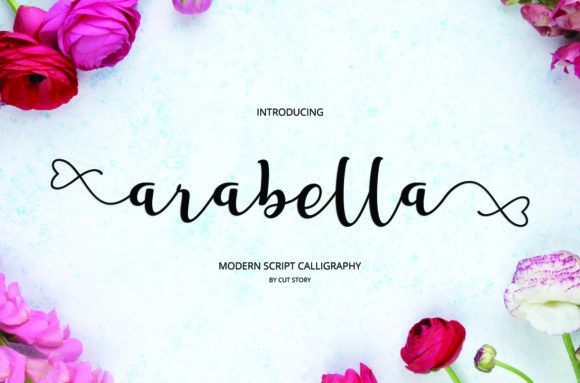
The core appeal of Arabella Script lies in its ability to bridge the gap between formal calligraphy and casual handwriting. Many script fonts fall into one of two extremes: they are either too rigid and ornamental to be used in body copy, or they are so loose and informal that they lack professional authority. Arabella Script navigates this middle ground by offering a style that feels organic yet structured. The letterforms retain the fluidity of a pen on paper, complete with natural flourishes and varying stroke widths, yet they maintain enough consistency to ensure clarity.
This balance makes it particularly suitable for headlines of all sizes. When scaled up, the intricate details of the script become a focal point, adding a layer of sophistication to posters, book covers, or hero banners. Conversely, when used in smaller formats, the font's design prevents the letters from merging into an illegible blob, a common issue with less refined scripts. The font is designed to handle both maximum and minimum variations in text blocks, meaning it can adapt to different layout constraints without losing its identity. This flexibility is a critical factor for designers working on multi-platform campaigns where a single asset must look good on a mobile screen and a large billboard alike.
Comparative Analysis: Script vs. Sans-Serif and Serif Alternatives
To make an informed decision, it is helpful to compare Arabella Script against the broader categories of typography. In a typical design hierarchy, sans-serif fonts are often chosen for their clean, modern utility, while serif fonts provide a sense of tradition and reliability. Script fonts, including Arabella Script, occupy a niche focused on personality and emotion. When deciding whether to use Arabella Script, designers must consider the message they wish to convey.
- Sans-Serif Alternatives: If a project demands absolute neutrality and speed of reading, such as a technical manual or a fintech dashboard, a standard sans-serif is usually superior. Arabella Script introduces a human element that might distract from data-heavy content.
- Serif Alternatives: For long-form editorial content, traditional serifs often offer better line-height stability and reading endurance than most scripts. While Arabella Script can be used for short blocks of text, it may not replace a dedicated serif family for novels or lengthy articles.
- Other Script Options: Many competitors focus heavily on novelty or extreme stylization. Arabella Script distinguishes itself by prioritizing usability alongside aesthetics. It avoids the trap of being "too cute" or "too stiff," aiming instead for a timeless quality that fits within a professional portfolio.
The tradeoff here is clear: while Arabella Script offers a unique voice, it inherently reduces the amount of information that can be conveyed per second compared to geometric sans-serifs. Therefore, its usage should be deliberate. It excels when the goal is to evoke a specific mood—such as romance, creativity, or heritage—rather than to simply transmit raw data.
Practical Applications and Best-Fit Scenarios
Deciding when to implement Arabella Script requires a clear understanding of the medium. The font's versatility allows it to transcend traditional boundaries, but certain applications highlight its strengths more than others.
Web and Digital Interfaces
In the realm of web design, where attention spans are short, a striking headline can capture interest immediately. Arabella Script works exceptionally well for landing page headers, navigation accents, or feature highlights. Its ability to render clearly on various screen resolutions ensures that the visual impact is maintained regardless of the device. However, caution is advised when using it for navigation links or buttons; the complexity of the script can sometimes hinder quick recognition compared to simpler geometric shapes.
Print Media
Print offers a level of control that digital platforms cannot match, making it an ideal environment for showcasing the nuances of Arabella Script. Invitations, packaging, brochures, and magazine layouts benefit significantly from the font's textured appearance. The variation in stroke width interacts beautifully with high-quality paper stock, creating a tactile feel even through sight alone. In these contexts, the font can elevate a standard design into something that feels bespoke and handcrafted.
Moving Images and Motion Graphics
One of the most underrated aspects of Arabella Script is its performance in motion. As the name suggests, it is capable of handling moving images with grace. The fluid nature of the letterforms translates well to animation, where the strokes can appear to flow naturally across the screen. Whether used in title sequences, lower thirds, or kinetic typography, the font maintains its integrity during movement, avoiding the jittery or blocky artifacts that can plague poorly optimized scripts.
Evaluating Limitations and Decision Factors
While Arabella Script is a powerful tool, it is not without its limitations. A responsible evaluation must acknowledge where the font may fall short. One primary consideration is the volume of text. Because script fonts have varying baseline alignments and character spacing, they are generally unsuitable for dense paragraphs of body text. Readers may experience eye fatigue if forced to read extended passages in a script typeface, even one as well-designed as Arabella Script.
Another factor is the context of the brand. A law firm or a medical provider might find the playful nature of a script font inappropriate for their core communications. In contrast, a boutique hotel, a wedding planner, or an artisanal food brand would likely find Arabella Script to be a perfect alignment with their identity. The decision to use this font should always stem from the brand's voice rather than a desire to follow a trend.
- Legibility Requirements: Assess the minimum size at which the text will appear. If the font will be displayed below 12 points in a print document, test it thoroughly for clarity.
- Language Support: Ensure the font supports the necessary character set for your target audience, including special diacritics if international users are involved.
- Pairing Potential: Consider how Arabella Script pairs with secondary typefaces. It typically requires a neutral, simple partner font to balance its ornate nature.
- Technical Constraints: Verify file formats and licensing terms, especially if the project involves embedding the font in web code or distributing it commercially.
Ultimately, the choice to use Arabella Script comes down to the specific needs of the project. If the goal is to create a memorable, emotionally resonant visual experience, this font offers a robust toolkit. It brings a unique style that honors classic typography while adapting to modern demands. By weighing its strengths against the potential drawbacks, designers can determine if it is the right instrument for their creative palette. When used with intention and respect for its limitations, Arabella Script can transform a standard layout into a spectacular piece of design work.
For those exploring alternatives, it is worth noting that no single font solves every problem. The strength of Arabella Script lies in its specialization. It is not intended to replace a full type system but to act as a distinctive voice within one. Whether you are designing a website, a print campaign, or a motion graphic, taking the time to evaluate how this font fits into your broader strategy will yield better results than applying it indiscriminately. The result is a design that feels authentic, professional, and visually engaging.