Ariteline Script: A Calligraphy Font for Creative Expression
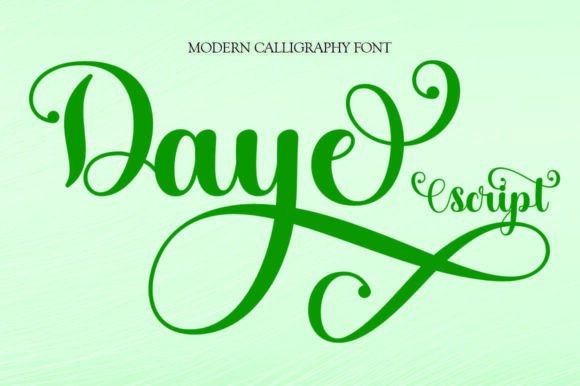
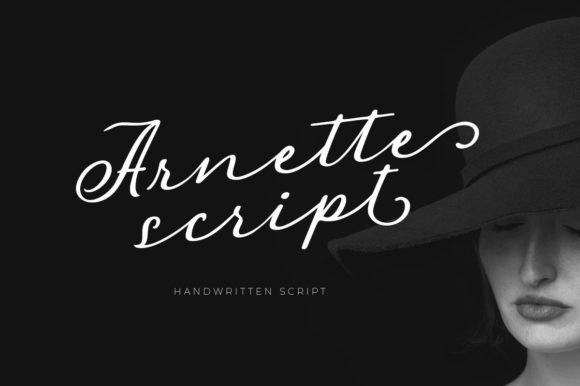
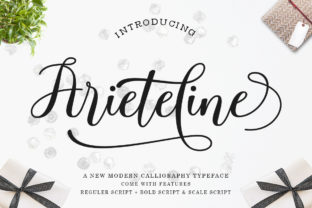
Ariteline Script is a calligraphy-style font that combines elegance with artistic flair. Designed to capture the essence of hand-drawn lettering, it offers two versions—regular and italic—each featuring bold swashes that add movement and personality to any text. Whether used in graphic design, branding, or personal projects, Ariteline Script brings a sense of sophistication and creativity to written communication.
What Is Ariteline Script?
Ariteline Script is a typeface inspired by traditional calligraphy techniques. It mimics the fluidity and grace of handwriting, making it ideal for designs that require a touch of artistry. The regular version provides a balanced and clean look, while the italic variant adds a dynamic slant that enhances visual interest. Both styles are characterized by sweeping strokes and decorative flourishes, which can make text stand out in various contexts.
This font is particularly well-suited for projects that benefit from a more expressive and ornate style, such as invitations, logos, or editorial pieces. Its versatility allows it to be used across different platforms, including print and digital media.
Why Consider Ariteline Script?
There are several reasons why someone might choose Ariteline Script over other fonts. First, its aesthetic appeal makes it an excellent choice for creative professionals who want to elevate the visual impact of their work. The bold swashes and elegant curves give text a unique character that can help convey emotion and style.
Additionally, Ariteline Script is easy to read despite its decorative elements, making it functional for both short and long-form content. This balance between beauty and readability is rare in script fonts, which often prioritize style over clarity.
For designers looking to add a personal touch to their projects, this font offers a way to express individuality without sacrificing professionalism. It can be especially useful for branding efforts that aim to communicate creativity and craftsmanship.
Benefits and Tradeoffs
The primary benefit of using Ariteline Script is its ability to enhance the visual appeal of text. It can transform simple words into artistic expressions, making it ideal for headlines, titles, and other attention-grabbing elements. Its versatility also means it can be adapted to fit a wide range of design styles, from modern to vintage.
However, there are some tradeoffs to consider. Because of its decorative nature, Ariteline Script may not be suitable for all types of content. For example, it might be too stylized for body text in formal documents or websites that prioritize legibility and minimalism. In these cases, a more straightforward sans-serif or serif font would be a better choice.
Another consideration is the learning curve associated with using script fonts effectively. Designers need to ensure that the font complements the overall design rather than overwhelming it. Proper spacing, alignment, and contrast are essential to achieving a polished look.
Situations Where Ariteline Script Fits Well
Ariteline Script is best suited for situations where visual impact and creativity are key. It works exceptionally well in branding materials, such as logos, business cards, and packaging, where a distinctive look can help a brand stand out. It is also popular in event design, including wedding invitations, social media graphics, and promotional posters, where its ornate style adds a touch of luxury.
In the world of digital marketing, Ariteline Script can be used for eye-catching headlines on websites or social media posts. It is particularly effective when paired with high-quality images or illustrations that match its artistic feel.
When Alternatives Might Be Better
While Ariteline Script has many strengths, there are instances where alternative fonts may be more appropriate. For example, if the goal is to create a clean and minimalist design, a simpler font like Helvetica or Arial would be more suitable. These fonts offer greater readability and are less likely to distract from the content itself.
In technical or academic writing, where clarity and consistency are paramount, a standard serif or sans-serif font is usually preferred. Script fonts can sometimes appear too informal or difficult to read in these contexts.
Additionally, if the project involves large blocks of text, such as articles or reports, Ariteline Script may not be the best option. Its decorative nature can reduce readability, especially at smaller sizes. In such cases, a more structured font would be more effective.
Practical Insights for Decision-Making
When deciding whether to use Ariteline Script, it's important to consider the purpose of the design and the audience it will reach. Ask yourself: Does this font align with the tone and message of the project? Will it enhance or detract from the overall experience?
It's also helpful to experiment with different variations of the font. Testing how it looks in different sizes, colors, and backgrounds can provide valuable insights into its suitability for a particular application. Tools like font pairing generators or design software can assist in finding the right combination that works well together.
Finally, always keep in mind that while Ariteline Script is visually appealing, it should serve the function of the design rather than overshadow it. Striking the right balance between style and usability will ensure that the font contributes positively to the final outcome.